


goldwoven
Mar 7, 2026
A practical guide to choosing the right basket depth, width, and lid for shelves, laundry, and everyday home storage.
A basket can look perfect in a shop photo and still feel wrong the second it lands at home. Most of the time, the issue is not the weave, the color, or the shape. It is the size. If it is too deep, small things disappear. If it is too wide, the shelf or corner starts to feel cramped. If the lid is wrong, daily use gets annoying fast. In practice, choosing a storage basket usually comes down to three simple questions: how deep it really needs to be, how wide it can go without crowding the space, and whether a lid will help or just slow things down.
That is the thread running through this whole guide. The job is not to find the prettiest basket first. It is to get the proportions right for the way the basket will actually be used. Once that part is sorted, everything else gets easier.
Why basket sizing matters more than people expect
Most storage frustrations do not come from owning the wrong type of basket. They come from choosing one that is slightly off. A shelf basket that is too deep turns into a place where small things vanish. One that is too wide ends up wedged in. A laundry basket that looks roomy in theory can still feel awkward if the opening is too narrow or the body is too tall.
Those small mistakes show up quickly in daily life. In a living room, a basket can steal more walking space than expected. In a bathroom, one oversized piece can make a shelf feel crowded. In an entryway, a basket with the wrong proportions often becomes a random drop zone instead of real storage.
The easiest way to avoid that is to keep the choice simple. Start with depth. Then check the width. After that, decide whether the top should stay open or be covered. It is a much more useful way to shop than starting with shape or decoration and hoping the size works itself out later.
A lot of people do the opposite. They pick the biggest one just to be safe, or choose the version that looks best on its own. I get why that happens. Bigger feels practical. Still, once a basket is too large for the spot, it becomes harder to place, harder to carry, and harder to keep tidy.
So before comparing finishes or details, it helps to look at the basics. Measure the area. Group the real items. Then size the basket for what it needs to do, not for what sounds good in theory.
Start with depth: this is where most mistakes happen
Depth decides how easy a basket is to use once it is full. It affects whether the contents stay visible, whether the bottom is easy to reach, and whether the basket keeps things sorted or simply lets them sink into a pile.
The simplest way to judge it is by looking at the items themselves. Flat things usually need less depth. Soft or bulky things usually need more. That is not a strict rule, but it holds up in most rooms.
Not everything needs much depth
If the basket is holding flat linens, notebooks, mail, placemats, or smaller bathroom items, a lower profile usually makes more sense. The contents stay visible, and there is less chance that one layer disappears under another.
Shelves are where this becomes obvious. Put small things into a deep basket on an open shelf, and the bottom half stops being useful almost immediately. It turns into a place for forgotten extras. A shallower basket keeps the whole category in sight, which is usually the point.
Bathrooms make this even clearer. Cotton cloths, hand towels, and everyday grooming basics do not need much depth. In fact, too much often makes them harder to grab. A lower, simpler basket usually works better than a deep one that looks generous but behaves badly.
Most homes do best somewhere in the middle
If there is one safe bet in most homes, it is a medium-depth basket. This is the range that works well for rolled towels, folded throws, light shelf storage, spare toiletries, and plenty of everyday household categories that need some room but not a deep cavity.
That is why straight-sided baskets tend to do so well on shelves. They hold a useful amount, but they do not turn the back half into dead space. On open shelving, that middle depth usually feels balanced. It looks substantial enough, yet still stays easy to reach into.
For anyone comparing basket sizing and feeling unsure where to start, this middle range is usually the least risky option. It suits more categories than people expect, and it rarely feels extreme in either direction.
Deep baskets are useful, just not for everything
Deep baskets absolutely earn their place. They work well for extra blankets, laundry, scarves, soft toys, and larger textile overflow. In those cases, the extra depth matches the way the items behave. Things can be dropped in, lifted out, and used again without much fuss.
Problems start when that same depth is used for smaller mixed items. Cables, clips, beauty extras, refill packs, and random household bits do not stay tidy in a deep basket for long. They settle in layers, and soon the basket becomes a place to rummage through instead of a place to store things neatly.
Shelf height matters too. A deeper basket on a low shelf can still be easy to use. The same basket on a high shelf is a different story. Once it sits above eye level, reaching the bottom becomes awkward, especially when the contents are small.
On lower shelves or under benches, more depth can make sense. Shoes, extra throws, or back-stock household supplies can handle that kind of storage much better because they are easier to identify and grab without digging.
A more useful question than “how much can it hold?”
It often helps to ask how easy access needs to be. If the basket has to work with one hand, day in and day out, going less deep is usually the smarter choice. If it is holding softer things or lower-use items, a deeper body may be perfectly fine.
That matters more than ideal styling ever will. A throw blanket is not folded perfectly every single time. Laundry is not placed with care. Bathroom refills get dropped in quickly. The right basket should suit those real habits, not an imaginary neat version of them.
Structure helps too. A basket that keeps its shape makes the inside easier to use. Softer baskets can slump inward, and once that happens, the depth becomes less useful than it looked on paper.
If woven style is part of the decision too, the rattan basket guide is worth a look.
A simple way to think about depth
In daily use, it usually works out like this:
Shallower baskets suit flat linens, mail, notebooks, and smaller bathroom items
Medium depth works well for towels, folded throws, shelf storage, and mixed light household items
Deeper baskets make more sense for laundry, toys, bulky blankets, and softer overflow
That is not a rulebook. It is just a solid place to start.
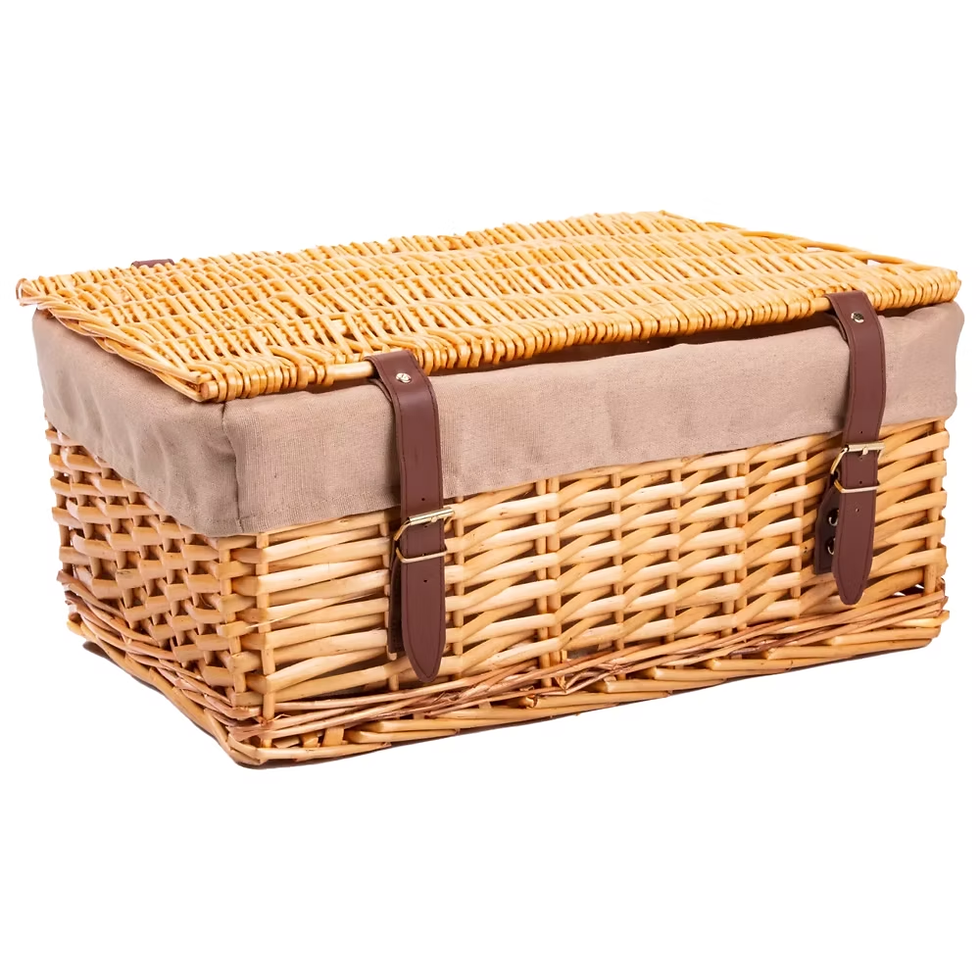
Then check the width: how much space can it really take?
Once the depth feels right, width becomes the next big decision. This is what tells whether the basket fits a shelf well, sits comfortably beside furniture, or quietly takes over more space than expected.
A basket can be the right depth and still feel wrong because the footprint is too large. That happens all the time with open shelving, narrow entry benches, and slim corners in bedrooms or bathrooms.
On shelves, the fit should feel easy
A basket made for shelf use should fit neatly without scraping the sides. It should slide in and out without friction, and it should not look like it had to be forced into place.
That little bit of spare room matters more than people think. When the fit is too tight, the basket becomes annoying to use. It also makes the whole shelf look more crowded, even when the rest of the setup is simple.
This is one reason rectangular baskets work so well on shelves. They use the space efficiently and look tidy. At the same time, they also make a poor fit obvious. If a straight-sided basket is even slightly too wide, the problem shows right away.
So if the basket is going onto a shelf, measure the inside width first and leave a bit of room around it. Photos are helpful for style and shape, but they are not enough for getting the size right.
Floor baskets need to justify their footprint
Once a basket sits on the floor, width starts affecting movement as much as storage. It has to hold enough, yes, but it also has to stay out of the way.
A broad woven basket can look lovely beside a sofa or at the foot of a bed. Still, if it cuts into the walking path or nudges too close to a side table, the whole spot starts to feel smaller. That is one of the most common mistakes with bigger baskets: they look generous on their own, then oddly bulky once they are in place.
In tighter spaces, narrower baskets usually make more sense. They still hold a useful amount, but they do not spread sideways into the room. That matters near doors, slim consoles, hallway corners, and bench legs.
Lay out the real items before guessing the width
This works surprisingly well. Fold two throws. Roll a few towels. Line up the kinds of things that are actually going into the basket. The width you need becomes much easier to judge once the footprint is sitting in front of you.
That tends to work better than thinking only in terms of capacity. Capacity sounds practical, but width is really about how the basket lives beside furniture and within the room. Towels, for example, often need more width than people expect because they sit better when they are not squeezed tightly. Smaller items can sometimes stack, so they need less.
Not every room wants the same width
Narrower baskets are often the easiest fit in entryways, small bathrooms, or spots beside a chair. They save floor area and keep the profile contained.
Medium width is the most flexible. It works well on shelves, under consoles, in bedrooms, and in living rooms where the basket needs to be useful without becoming the biggest thing in view.
Wider baskets work best when they genuinely have room around them. A generous living room corner can handle more width. So can some laundry setups or under-bench storage. In those places, the extra opening can actually make the basket more comfortable to use.
Two medium baskets can be the better choice
This is easy to overlook. People often assume one large basket is the more efficient option. In reality, two medium baskets are often better. They are easier to lift, easier to sort, and easier to fit into the room.
That is especially true on shelves. A pair of medium baskets keeps categories separate and usually looks cleaner than one oversized basket holding everything together. On the floor, the same idea can help. Two medium baskets under a console often feel lighter than one wide basket running across the full length.
Shape still matters, but after the size is right
Shape changes how width feels. Round baskets can soften a room and look nice in open corners, but they often take up more floor area than people expect because the widest point sits at the middle. Rectangular baskets usually make shelf use easier and give a cleaner fit.
That does not make one shape better in every case. It just means straight-sided baskets are often easier to size well for shelves, while round or oval baskets usually work best where there is more open room around them.
In entry spaces and on shelves, an open handled basket often makes sense because it keeps its shape, is easy to move, and suits everyday drop-in use without much fuss.

Open top or lid? This part changes more than people think
This sounds like a smaller decision, but it changes a lot. A lid affects how fast the basket gets used, how tidy the contents look, and whether the whole setup still works when real life gets messy.
In general, open baskets suit things that are easy to recognize and easy to grab. A basket with lid helps more when the contents are mixed, dusty, or simply not very nice to look at sitting in plain view.
Open baskets tend to work better for everyday use
Open baskets are easy in the best possible way. A throw goes in quickly. Towels are easy to grab. Slippers, magazines, and casual living room items do not need an extra step.
That is why open baskets work so well in living rooms, bathrooms, and shelf setups that hold softer or simpler things. The contents are not hard to identify, and they do not punish the room if they look a little relaxed.
On a shelf, an open basket can also feel lighter than a basket with lid. That helps when the room already has enough going on and the storage does not need more presence.
Some categories are just better behind a lid
Other categories do better out of sight. Cords, chargers, remotes, refill packs, grooming extras, craft bits, and all the small mixed items that refuse to sit neatly on their own usually look better once they are covered.
That is where a lidded basket or a tidy covered storage box really helps. It keeps dust down, hides the clutter, and gives the category a cleaner boundary. In a bedroom, that might mean spare cables or seasonal extras. In a bathroom, it might be backup toiletries. In an entryway, it can save all the loose little things from drifting across the console.
Think about the routine, not just the look
A lid can make a basket look neater, but it is not always the better choice to live with. If the basket gets opened over and over during the day, a heavy or awkward lid can become tiresome surprisingly fast.
So it helps to ask a more honest question: is this something used constantly, or something opened now and then? That usually gives the answer pretty quickly. A basket used once a week can handle a lid with no trouble. One used six times a day may feel better left open.
Lids often work best in cleaner shapes
For shelf use, a rectangular basket with lid is often the easiest fit. It uses the width well and keeps the contents tucked away without wasting much space. On the floor, especially in a bedroom or living room corner, a round lidded basket can work beautifully.
If the bigger question is still which type makes the most sense by use rather than by look, the storage basket buying guide can help narrow it down.
When the choice still feels fuzzy
An open basket usually works best for:
towels
throws
slippers
magazines
daily grab-and-go items
A lidded basket or basket with lid usually works better for:
cords and chargers
backup toiletries
small mixed accessories
craft supplies
lower-use items that collect dust easily

How this plays out in real rooms
This is where depth, width, and the lid choice start working together. The room-by-room part does not need to be complicated. It just needs to reflect how people actually use these spaces.
Living room
Living rooms usually need a basket for throws, magazines, remotes, a few cables, and whatever else drifts in during the week. Because the basket often stays visible, it needs to feel useful without looking oversized.
For throws and magazines, medium depth is usually enough. Going too deep often leaves the bottom half underused. Width matters just as much here. A basket beside the sofa should sit comfortably in place without nibbling into the walkway.
For blankets, a medium open woven basket usually feels easier to live with than a deep basket with lid. For smaller mixed items, a lidded basket tends to keep the area looking better with less effort.
Bedroom
Bedrooms usually call for gentler storage: spare bedding, folded sleepwear, books, extra pillows, maybe some of the small practical things that collect around a dresser. In this room, baskets tend to work best when they feel settled rather than oversized.
Medium depth suits linens and folded fabrics well. At the foot of the bed, a lower rectangular basket or a covered storage box usually feels more natural than something tall and narrow.
Beside a nightstand, smaller widths are easier to manage. A compact open basket works for a throw or current reading. A basket with lid makes more sense for chargers, spare accessories, or bits that look better out of sight.
Entryway
Entryways show sizing mistakes quickly. The space is active, the path is often narrow, and the basket has to handle shoes, scarves, umbrellas, bags, or whatever gets dropped on the way in.
That is why slimmer widths usually work best here. A basket that spreads too far near the door becomes irritating almost immediately. Medium depth is enough for scarves and smaller accessories, while shoes may need a little more room depending on the style.
An open handled basket works well when things need to be dropped in quickly and moved now and then. For smaller loose items that make the area look messy, a basket with lid usually helps.
Bathroom
Bathrooms are unforgiving with oversized storage. Shelves are tighter, surfaces are smaller, and anything bulky feels even bulkier once it is in place.
For rolled or folded towels, medium depth and moderate width are usually enough. Open baskets work well there because the contents are simple and easy to see.
For backup toiletries, cotton pads, extra soap, or grooming tools, a small lidded rectangular basket often works better than a deep open one. Those categories start looking messy fast, even when there are not that many items inside.
Laundry
Laundry is where deeper baskets make the most sense. Clothes are soft, bulky, and rarely tidy for long. A deeper body and a wider opening usually feel right here, especially when the basket gets used every day.
A hamper-style basket works well when volume matters most. A handled laundry basket makes more sense when it needs to be carried from room to room or lifted regularly.
Width matters here too. The opening should be wide enough for clothes to drop in easily, but not so wide that the basket becomes awkward to move or place. If sorting is part of the routine, two medium baskets often work better than one very large one.

Common mistakes to avoid
Most basket mistakes are easy to spot once the basics are clear.
The first is choosing by appearance alone. A basket can look beautiful on its own and still be wrong for the shelf, corner, or room where it needs to work.
The second is buying too large just to be safe. Bigger sounds practical, but it often creates new problems. The basket becomes harder to place, harder to carry, and easier to overfill.
Another common mistake is forgetting the category. Deep storage works well for blankets and laundry, but it is frustrating for small loose items. A narrow basket may be ideal in an entryway and not nearly as useful in a laundry area. What is going inside should lead the decision.
People also overlook how often the basket will be used. A lid may look neater, but if it is being opened constantly, it can end up being less pleasant than an open top. Daily use matters more than a perfect first impression.
And one more thing: a single basket cannot solve every kind of clutter. Once too many unrelated items are thrown together, even a well-sized basket stops helping much.
FAQ about storage basket sizes
What storage basket sizes work best on shelves?
Usually, medium-depth baskets with a width that fits neatly inside the shelf work best. They are easy to reach into, easy to pull out, and they do not make the shelf feel cramped. Straight-sided shapes are often the easiest option.
How deep should a basket really be?
That depends on what is going inside. Flat items and smaller everyday things usually need less depth than people expect. Towels, folded throws, and general shelf storage often sit comfortably in the middle range. Laundry and bulkier textiles can handle more.
How much room should I leave on each side of a shelf basket?
Enough that it slides easily and does not look jammed in. It does not need a huge gap, but it should not rub the sides. If pulling it out feels awkward, it is probably too wide.
Is a lid actually worth it?
Usually yes, if the contents are mixed, dusty, or just not very nice to look at. For throws, towels, and other easy-grab items, an open top is often more useful.
What kind of basket works best beside a sofa?
For throws or magazines, a medium open basket usually works well. If the basket is meant to hold remotes, chargers, or smaller mixed items, a lidded basket is often the better fit.
What size makes sense for a laundry basket?
A laundry basket usually needs more depth and a wider opening than shelf storage. A hamper-style basket works well for loose piles of clothing, while a handled version is better if carrying matters.
Are woven baskets still a good idea in small spaces?
Yes, as long as the size is right. A woven basket can work very well in a small room, but the proportions need to be handled carefully. If it is too wide or too deep for the spot, the room will feel tighter right away.
Final thoughts
Getting the right size is usually less about style and more about asking a few honest questions. How deep does it really need to be? How wide can it go before it starts crowding the shelf or floor space? And will a lid actually help in daily use?
A quick final checklist helps: measure the real space, group the actual items, decide whether the contents should stay visible, and then choose the depth, width, and lid. That keeps the decision grounded in how the basket will actually work.
A good basket does not need to solve everything. It just needs to suit the items, the spot, and the routine. Once those three line up, a storage basket stops feeling like an extra object and starts doing the quiet work it was meant to do.